About
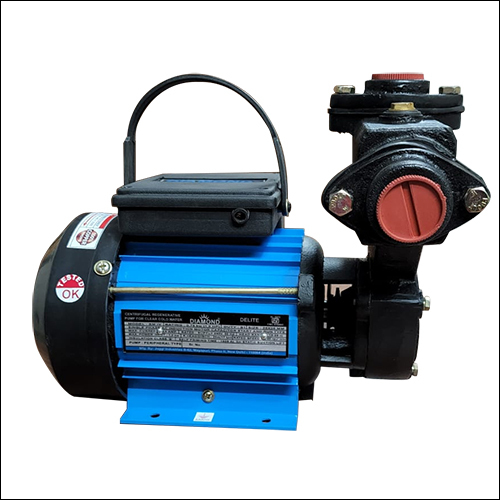
Monoblock Self-Priming Pumps
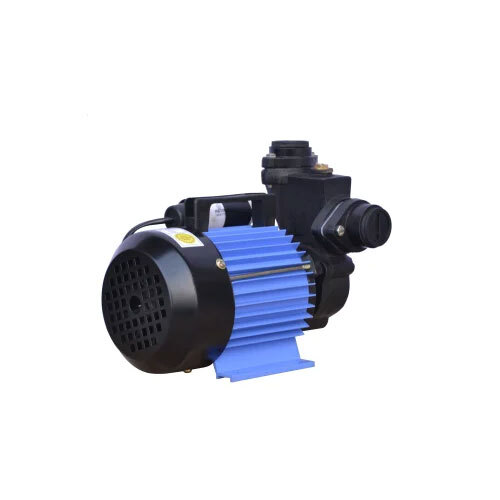
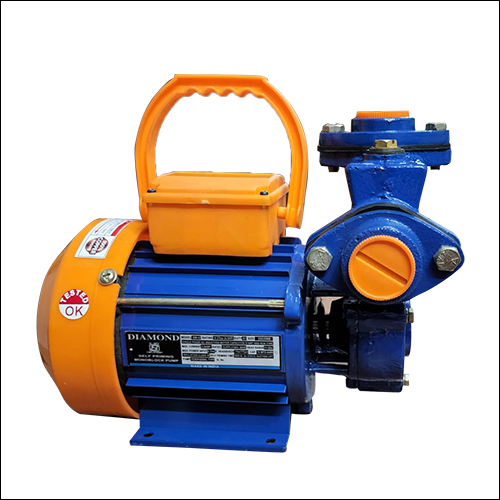
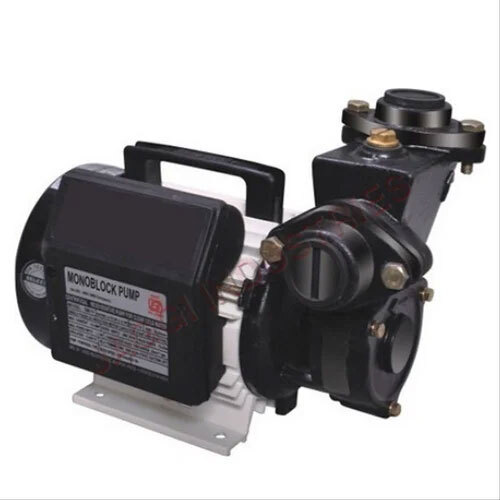
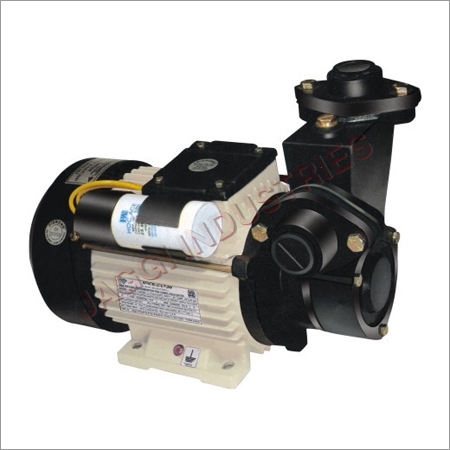
Monoblock Self-Priming Pumps are compact, high-performance water pumps in which the motor and pump are integrated into a single unit (monoblock design). These pumps are engineered to automatically remove air from the suction line and start pumping without repeated manual priming, making them highly convenient and reliable for everyday water transfer needs.
Designed for efficiency and durability, monoblock self-priming pumps are ideal for residential, agricultural, and light commercial applications where consistent water pressure and smooth operation are essential.
Key Features:
-
Monoblock Construction: Motor and pump mounted on a single shaft for compact design and better efficiency.
-
Self-Priming Capability: Automatically evacuates air from the suction pipe for quick and easy start-up.
-
Energy-Efficient Motor: Delivers high performance with low power consumption.
-
Strong Suction & Discharge: Suitable for lifting water from shallow wells, tanks, and reservoirs.
-
Robust Build Quality: Made from corrosion-resistant materials for long service life.
-
Low Noise & Smooth Operation: Ideal for residential environments.
-
Easy Installation & Maintenance: User-friendly and space-saving design.
Applications:
-
Domestic water supply systems
-
Overhead tank filling
-
Garden and lawn irrigation
-
Small-scale agricultural irrigation
-
Water boosting and transfer
Benefits:
-
No need for frequent manual priming
-
Reliable water pressure
-
Compact and durable design
-
Cost-effective and long-lasting solution
Monoblock Self-Priming Pumps offer a perfect combination of performance, convenience, and durability, making them a trusted choice for efficient water management.
Superior Performance for Industrial DemandsMonoblock self-priming pumps deliver consistent water flow, making them indispensable in industrial environments. With their electric motors, these pumps offer reliable operation for water transfer, irrigation, and utility processes. Their robust construction ensures a long-life span even in demanding settings.
Constructed for Durability and ConvenienceDesigned with cast iron materials, the pumps provide excellent resistance to wear and corrosion. Their self-priming feature means minimal manual handling, as they can automatically clear air and commence pumping, saving both time and effort during installation and operation.
FAQ's of Monoblock Self Priming Pumps:
Q: How does a monoblock self-priming pump operate?
A: A monoblock self-priming pump starts pumping efficiently once connected to a water source and powered by its electric motor. It features an integrated mechanism that allows it to automatically expel air from the suction line, ensuring rapid water flow without the need for manual priming.
Q: What are the main benefits of using these pumps for industrial water applications?
A: These pumps offer reliable performance, minimal maintenance, and rapid installation. Their cast iron construction provides durability, while the self-priming mechanism reduces operational delays, making them ideally suited for industrial water transfer and handling.
Q: When should I opt for a self-priming monoblock pump over other types?
A: A self-priming monoblock pump is ideal when quick, repeated starts are required or where the suction line may be exposed to air. It is especially beneficial in applications where time and labor savings are priorities.
Q: Where can I purchase monoblock self-priming pumps in India?
A: You can acquire these pumps from a wide network of dealers, distributors, manufacturers, traders, and wholesalers throughout India. Many suppliers also offer export options for international clients.
Q: What is the process for installing and starting the pump?
A: To install, secure the pump on a stable surface, connect the inlet and outlet pipes, and ensure proper electrical connections at 220V and 50 Hz. Fill the pump casing with water if instructed, and start the motor. The pump quickly clears air and begins water delivery.
Q: How can these pumps be used in industrial operations?
A: They are highly effective for transferring process water, dewatering construction sites, and supporting large-scale irrigation. Their self-priming ability ensures minimal downtime and consistent water flow even after air exposure.